
Discover Phase
Initial Interview
After an initial interview with my client Zoya Azam, the problem space I have been given is painting.
Zoya tries to paint every day, and she is reasonably consistent at it. She paints because it helps her to unwind and relax. She talked of getting into a meditative mental space as she paints.
She has a small, dedicated painting space in her room where she paints and stores all her supplies. When she is finished with her paintings, she will display them somewhere in her room if she is happy with them.
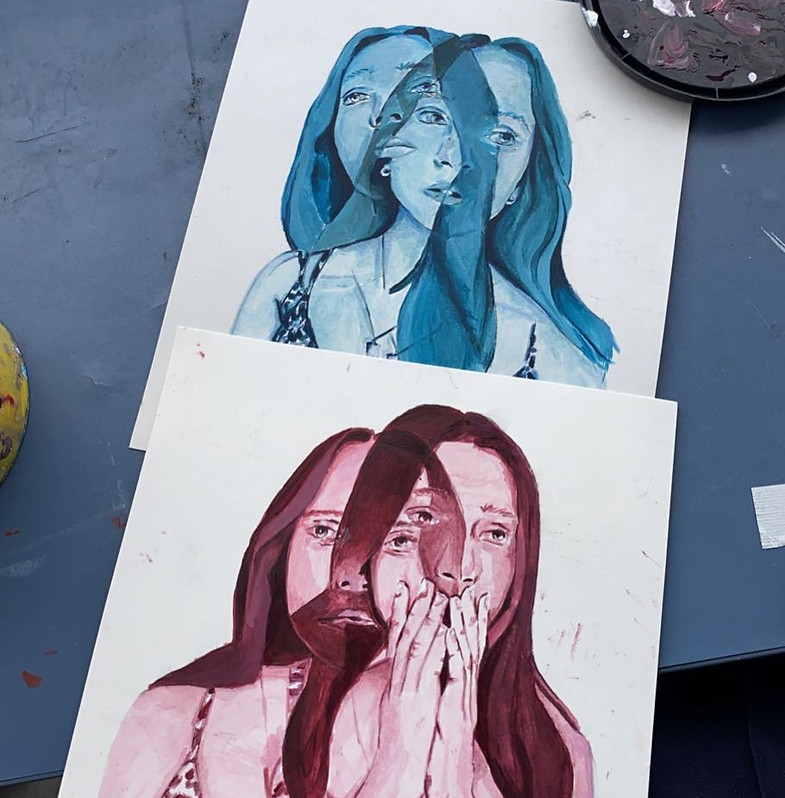
Zoya paints from reference images which she either prints or displays on her laptop. She paints on thick, roughly A4 sized paper because canvases are too expensive and difficult to store. She uses a plastic lid as a palette because it is convenient. It is also clear, so it doesn’t distort the colour of the paints on the palette.
She buys paint irregularly, usually when it is on sale. She says that she is still developing her personal style.

Zoya paints in her bedroom. This is Zoya’s private space where she keeps her personal items. any physical object that I design will exist in this space and as such should respect it.
Environment


EMPATHY CONVERSATIONS
During my research, I interviewed three people about painting. The first, my flflatmate John is an architecture student who paints as a hobby. The second person I interviewed was an employee at the art shop Gordon Harris. She also paints as a hobby in her spare time. The last person that I interviewed was my friend Rosa. She is in the year of a fine arts Honour’s degree; while she began her degree painting, she quickly moved away from painting to sculpture.
Emotional Journey Map

When I was interviewing John, I made an Emotional journey map with him. This map allows me to easily and quickly identify the high points and low points of the act of painting to relax. This led to a few realisations. First painting was not the most enjoyable aspect of painting, instead, the actions that bookend the physical act of creating a painting were the best parts of the painting process. The second thing the emotional journey map highlighted was how annoying the act of cleaning up was. This was further highlighted in my interview with Rosa, where she referenced the mess as one of the reasons that she stopped painting.
Themes
Across the four interviews that I conducted during this discovery phase I noticed several consistent themes across users, positive and negative experiences that each user has when engaging with the act of painting.
Organisation:
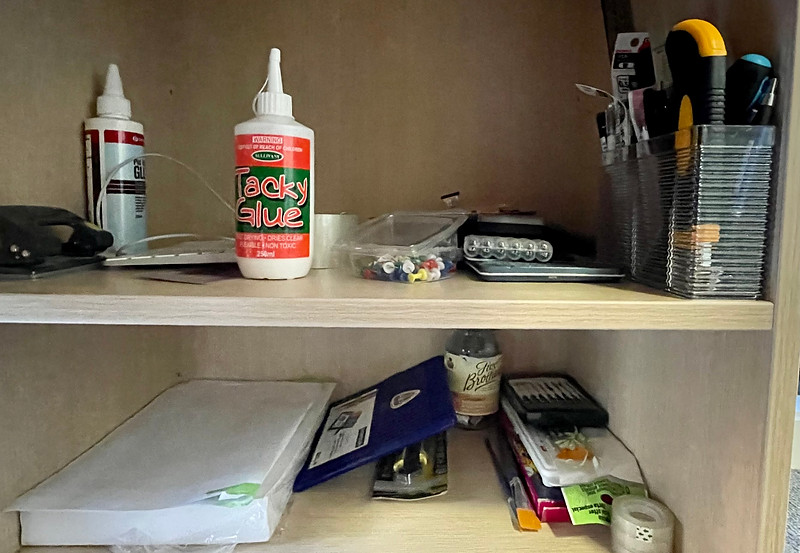
There is a strong DIY theme in the storage and organisation systems. Both Zoya and John use glass jars both as water reservoirs and to store their paint brushes. When I asked about the various professional storage products, the Gordon Harris employee that I talked to said that they are only really purchased by the most serious painters who expect to travel far, and often. None of the people that I talked to use a professional palette, instead opting for plastic lids, or pieces of scrap card. Another organisational theme to painting that I uncovered was the issue of containing mess. Rosa listed the mess as one of the main factors that pushed her away from painting in her early degree, when I was creating an emotional journey map with John, clean-up was listed as the least enjoyable aspect of the painting experience.
Cost:
Zoya commented that She only buys paints when they are on sale, this is the first time that cost was mentioned as a contributing factor to user’s choices when it comes to materials choice and frequency of painting. The two aspects of painting that appear to be most effected by cost are canvas material and paint selection. The two amateur painters that I talked to both Discussed using small A4 sized thick paper instead of canvas because of its lower cost and ease of storage.

Headspace:
The headspace people are in when painting emerged as one of the most significant reasons for engaging or disengaging with painting. Zoya and John both talked at length about the meditative headspace that they entered when painting and how this headspace draws them to paint to unwind from daily life. Rosa said that she felt painting to be creatively constricting she felt that painting as a discipline was firmly rooted in the past as a very traditional medium and described her experience of realistic painting in high school as ‘torture’ this led her to transition to sculpture where she felt that she could innovate and experiment more in her art. The Gordon Harris employee said that a key requirement of her painting environment was neutral colours that don’t have a strong influence on her work.
OBSERVATIONS AND INSIGHTS
Observations:
-
An artist’s environment can have a big influence on the artistic output there
-
mess is a significant part of painting
-
gauche and acrylic are more common than oil paints
-
use of scrap plastic for palettes is common
-
paints are expensive
-
canvasses are expensive
-
the use of jars to store paintbrushes is common
-
those who have never used an easel want one, and those who have used one don’t
-
the search for a personal style is a significant part of painting
-
reference use is a common factor
-
the bulk of my interviewees painting occurred on A4 sized paper
-
people often fall in and out of regularly painting
-
paper is a common alternative to canvass because of the reduced cost and ease of storage
-
people often paint as a form of meditation
-
Oil paints are unfriendly
-
most painting occurs indoors
-
lighting is important
-
Pinterest is a common form of inspiration
-
Cost is a significant factor in material and tool choice for beginners
-
Painting setup often required to pack down into small space
-
There is a strong DIY nature to materials and tools storage
Insights
Now that I have these Observations, I can draw conclusions from them to create insights that will underly the rest of the design process.
-
Painting is an exercise in Expressing yourself, so anything that I design should endeavour to facilitate, not direct, the expression of the user.
-
As painting is often a hobby, people have the time and patience to wait for the best prices or create something themselves to reduce cost
-
Painting is often used as an escape and my interviewees talked about getting into a "flow", so anything I design should aim not to draw users out of the experience of painting
-
The amateur painters that I talked to were looking for their personal style, so anything that I design should allow them to explore painting easily
-
Since amateur painters often cited limited time as a contributing factor to not being able to paint as much as they like, anything that I design should not increase the amount of time taken to engage with painting